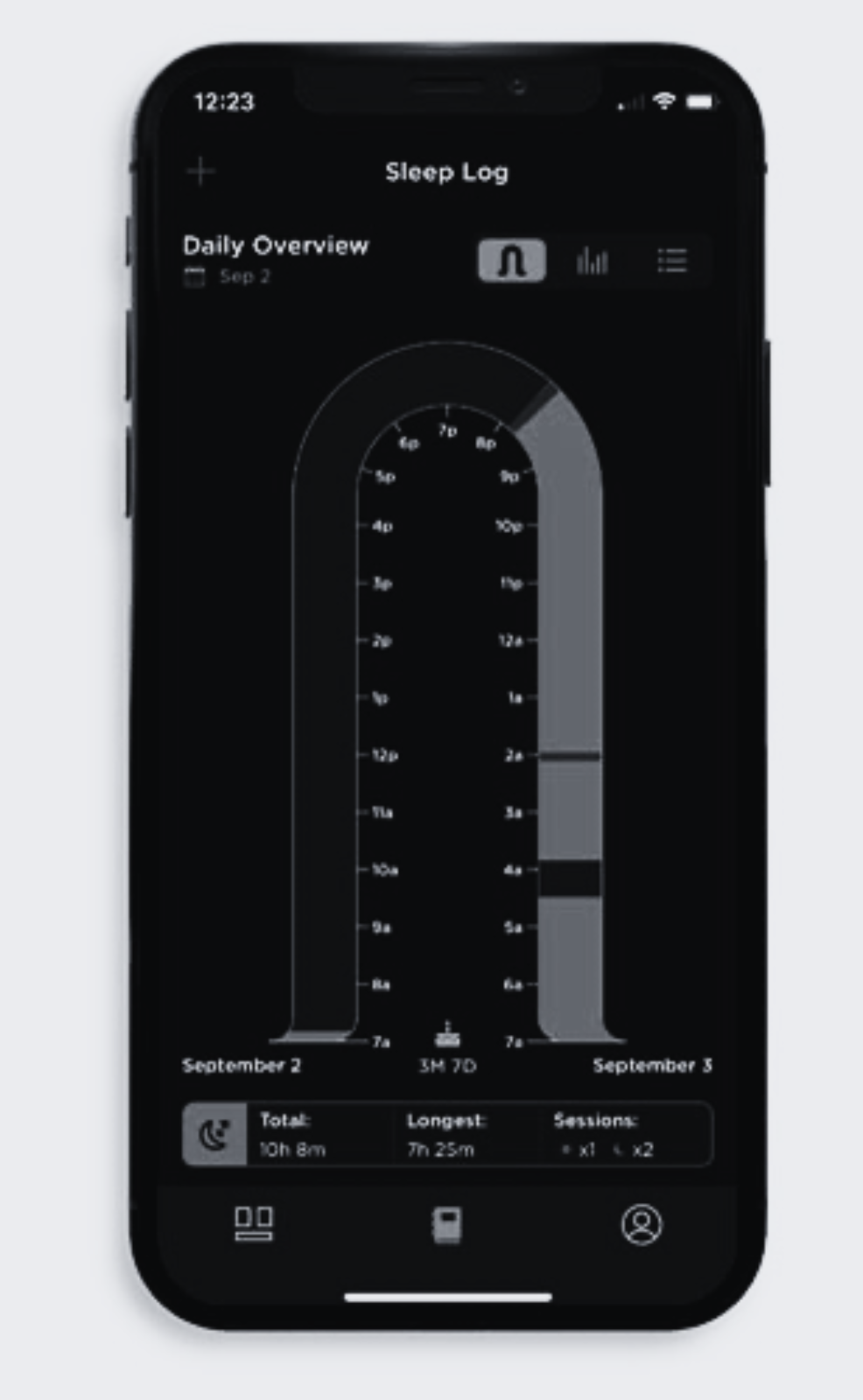
Product strategy and product architecture
COOPER HUES™ LABS | SERVICES
BUILD OVERSIGHT
Product strategy, rapid prototyping, and development oversight for technology builds.
For companies that need to define, prototype, and execute the right product with clearer scope, tighter requirements, and controlled development risk.
Where product builds lose control
Most products do not fail because the team is not moving. They fail because motion begins before the product is defined clearly enough to build.
A strong idea can still become expensive when requirements are vague, workflows are unresolved, AI claims are overextended, engineering starts before tradeoffs are understood, or the roadmap is built around activity instead of business value.
Cooper Hues™ Labs helps define what should be built, what should be deferred, how the product should work, and how the build should be managed before execution becomes expensive.
This is the layer between strategy and development: product architecture, requirements, rapid prototyping, engineering translation, QA readiness, launch structure, and operating cadence.
Prototype before the build gets expensive
When useful, Cooper Hues™ Labs uses rapid AI-assisted prototyping to make product flows, screens, logic, and user journeys tangible before full development begins.
This allows the team to test assumptions, clarify requirements, identify gaps, and reduce ambiguity before engineering time is spent at scale.
Developers are brought in early enough to validate feasibility, architecture, implementation effort, dependencies, and build implications. The goal is not to delay engineering. The goal is to make sure the engineering work starts from a tighter, clearer, more cost-controlled product definition.
What build oversight covers
MVP scope and build-readiness definition
Requirements, PRDs, workflows, and user stories
Rapid AI-assisted prototyping where useful
Engineering feasibility and architecture alignment
Development planning, sprint structure, and vendor/developer coordination
Design direction, UX flows, and prototype review
QA/UAT, release planning, and launch readiness
How build oversight works
-
01
Clarify the product thesis, target user, core workflows, and business outcome.
-
02
Define what should be built first, what should be deferred, and what should not be built.
-
03
Use rapid prototyping where useful to test flows, screens, logic, and product assumptions before full development.
-
04
Bring engineering input in early to validate feasibility, architecture, effort, dependencies, and cost implications.
-
05
Translate the product direction into requirements, PRDs, roadmap priorities, and development structure.
-
06
Coordinate with product, engineering, design, QA, founders, vendors, and business stakeholders.
-
07
Review prototypes, builds, releases, and user flows against the intended product direction.
-
08
Maintain operating cadence so the build stays aligned with business value, user needs, launch goals, and budget discipline.
What teams leave with
-
A clear product strategy and build direction
-
Defined MVP or product scope
-
Build-ready requirements, workflows, and PRDs
-
Rapid prototype outputs where useful
-
Engineering feasibility and implementation clarity
-
Roadmap priorities tied to business and user value
-
Development oversight and execution cadence
-
QA/UAT and release-readiness structure
-
Optional outsourced development support through Cooper Hues™ Labs developers
-
A product prepared for launch, adoption, and commercial use
When this process is used
When a company has an idea but no clear product architecture.
When a roadmap exists but the build path is unclear.
When founders need help translating vision into requirements and execution.
When a product should be prototyped before full engineering spend.
When AI-enabled workflows need to be tested before being built at scale.
When internal or external developers need stronger product direction.
When a prototype needs to become a real product.
When the team needs to build from scratch, rebuild, or bring structure to an existing product effort.
When the client wants Cooper Hues™ Labs to bring developers for outsourced execution.